Law firms stay busy juggling cases, monitoring deadlines, meeting clients’ demands, while also tracking revenue. Billing has to be easy and accurate, but when your systems are scattered, everything feels more complicated than it should.
That’s why centralized case management is vital.
Modern law firm software brings your cases, documents, billing, and communication into a single system. That way, when everything lives in one place, your firm runs smoothly.
What Is Centralized Case Management?
Centralized case management means one platform, every case information, fully connected. No jumping between tools
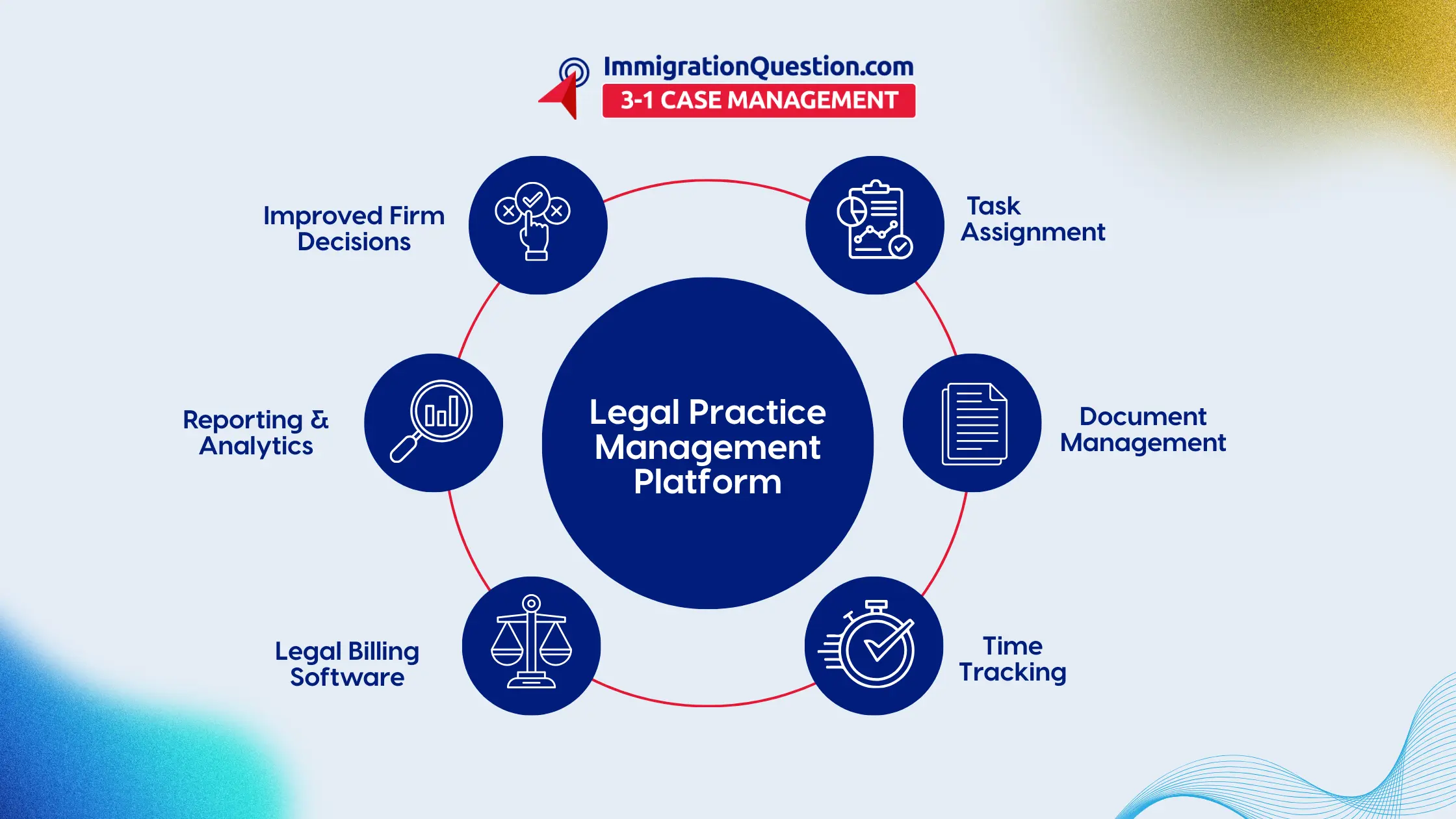
Strong legal practice management systems combine:
- Matter tracking
- Document storage
- Calendar automation
- Task management
- Time tracking
- Law office billing
- Reporting
It significantly changes how your firm operates.
Daily Work Gets Faster
Admin work, such as scheduling, updating files, cross-checking client data, and preparing invoices, eats up attorney time. Centralized law firm software automates much of that.
You can:
- Auto-populate documents
- Set automated reminders
- Assign tasks instantly
- Track deadlines in real time
That shift increases productivity.
Documents Are More Organized
Law firms generate thousands of documents, from Contracts to Motions to Correspondence. Without structure, versions conflict and files get lost.
Centralized platforms organize everything by matter. All you have to do is search for the file name, and you’ll find it instantly.
No duplicated files or outdated drafts.
Cloud-based legal practice management systems allow access anywhere. In the office, at court, or at home. Work doesn’t stop.
Collaboration Becomes Easy
When teams use different tools, communication is bound to falter. But centralized systems connect everyone. Staff, all at the same time, can see:
- Shared calendars
- Case notes
- Task lists
- Communication history
When everyone sees the same dashboard, duplication ends and response time improves.
Time Tracking and Billing Becomes Accurate
Missed entries, delayed invoices, and inconsistent time capture are billing errors that cost firms money.
Centralized attorney billing software fixes this. When time is logged directly in the matter, revenue leakage is reduced.
A strong legal billing software helps you:
- Capture billable hours in real time
- Generate invoices faster
- Reduce billing disputes
- Track payment status
Good billing software solutions protect revenue. Better law office billing means stronger cash flow.
Compliance and Accountability Improve
Deadlines, access control, and audit trails are all important. Centralized systems log activity automatically.
You get to see information like:
- Who accessed what
- Who updated what
- When it happened
That level of transparency reduces risk.
Role-based permissions protect client data, automated reminders reduce missed deadlines, and your firm remains compliant.
Clients Get a Better Experience
Clients now expect instant updates. They expect clarity and professionalism.
With centralized legal practice management, firms can:
- Share secure updates
- Provide document access
- Respond faster
- Track matter progress easily
When client communication improves, trust and retention increase.
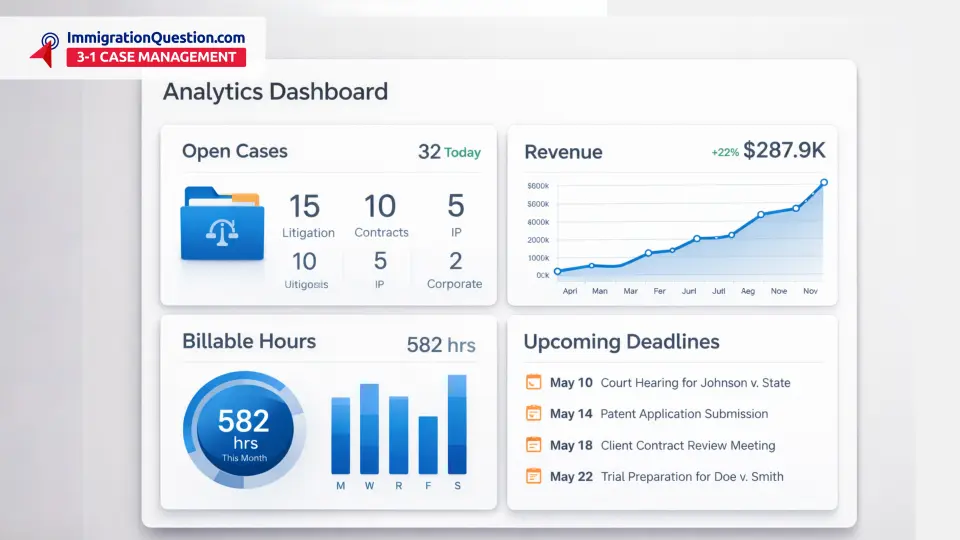
Data Becomes Actionable
Good law firm software includes reporting and analytics that give insights into:
- Case timelines
- Bottlenecks
- Staff utilization
- Financial performance
- Billing trends
You see what’s working and what’s not, then you adjust.
Remote and Hybrid Work Become Normal
Legal work isn’t tied to an office anymore. Teams now collaborate across cities, while attorneys work from court or home.
Cloud-based law firm software supports that flexibility.
Everyone accesses the same system. Same documents, billing data, and case details.
Continuity stays intact.
Knowledge Stays Inside the Firm
When attorneys leave, knowledge shouldn’t leave with them.
Centralized systems preserve:
- Templates
- Research notes
- Case strategies
- Communication history
That way, new hires onboard easily because processes stay consistent. Institutional knowledge builds instead of disappearing.
Gain a Competitive Advantage
Centralized case management has become a competitive advantage.
It improves:
- Legal practice management
- Attorney billing software performance
- Law office billing accuracy
- Financial visibility
- Client satisfaction
- Operational control
Firms that choose to remain fragmented will always struggle with inefficiency because disconnected systems create disconnected workflows.
Centralized systems create momentum.
Efficiency happens by working smarter, and centralized case management makes that possible.
Ready to Centralize Your Firm?
If you’re serious about improving efficiency, tightening your law office billing, and gaining more visibility into your cases, it’s time to upgrade your system.
ImmigrationQuestion.com 3-1 Case Management combines legal practice management, attorney billing software, document control, task automation, and reporting into one powerful law firm software platform.
Schedule a demo and see how it works in real practice. Or choose the plan that fits your firm and get started today.
Frequently Asked Questions
1. What is centralized case management in a law firm?
Centralized case management means all case data, documents, billing, and communication is in one system. Instead of juggling multiple tools, law firm software connects everything in one place.
2. How does centralized legal practice management improve efficiency?
It reduces manual tasks, automates deadlines, organizes documents, and streamlines collaboration. So, attorneys spend more time practicing law and less time managing admin work.
3. Why is attorney billing software important?
Missed time entries and delayed invoices cost money. Good attorney billing software accurately captures time, generates invoices faster, and improves law office billing consistency.
4. Can billing software solutions reduce revenue leakage?
Yes. Legal billing software tracks time in real time, applies billing rules, and minimizes errors. That protects your revenue.
5. Is centralized law firm software secure?
Modern platforms include role-based permissions, audit trails, and secure document storage. That helps firms maintain confidentiality and comply with regulations.
6. Will centralized systems help with remote work?
Cloud-based legal practice management platforms enable attorneys and staff to securely access case data from anywhere.
7. Is ImmigrationQuestion.com 3-1 Case Management suitable for small and growing firms?
Yes. It’s designed to scale. Whether you’re managing a small caseload or expanding your practice, it supports billing software, task automation, reporting, and case visibility in a single system.