


Legal research databases are no longer optional for modern law firms. You might be running a solo practice or a large litigation team; your ability to find accurate case law, statutes, and regulatory updates directly affects the quality of your work.
Many firms still struggle with scattered research notes, outdated materials, and inconsistent sources pulled from random websites. Paralegals may spend hours verifying citations. Attorneys may double-check authorities because they are unsure if the source is complete. This slows down drafting, increases review time, and quietly affects profitability.
The right legal research databases bring structure, reliability, and speed into your research process. Below are practical considerations for law firms evaluating online legal research databases and any database for legal research.
Ensure the Legal Research Databases Provide Reliable and Updated Content
Outdated case law can damage credibility. Inaccurate statutes can lead to flawed arguments. Before choosing a platform, confirm that the legal research databases provide:
- Regular updates on statutes, regulations, and appellate decisions
• Clear citation history and treatment of cases
• Access to both federal and state materials
• Reliable case viewer tools that show full opinions and agreements
A strong case viewer should allow attorneys to:
- Jump directly to cited paragraphs
• Review related cases quickly.
• Track how a case has been interpreted over time.
For firms handling multiple practice areas, access to comprehensive legal data platforms is essential. Immigration, corporate, family, and litigation teams often require different authorities. A single, well-maintained database for legal research can prevent duplication of subscriptions and reduce confusion across departments.
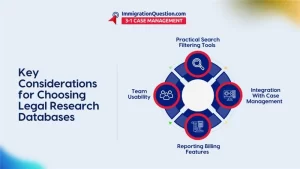
Look for Practical Search and Filtering Tools
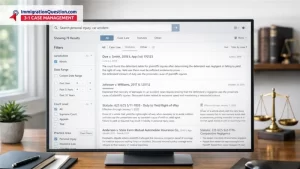
Research is not just about access. It is about speed and precision. Poor search functions can waste more time than manual research. When reviewing online legal research databases, assess the system to know if it offers:
- Advanced filtering byjurisdiction, date, and court level
• Keyword and Boolean search options
• Clear headnotes and summaries
• Organized topic classifications
For example, a mid-sized firm handling complex litigation should be able to narrow results quickly by court level and date range. A small firm may need faster access to practice-specific materials without having to dig through irrelevant results.
The right database for legal research should reduce time spent scrolling and increase time spent analyzing.
Consider Integration with Case Management and Internal Systems
Research does not happen in isolation. Attorneys often move from research to drafting to client communication within minutes. A practical solution allows integration with:
- Case management tools
• Secure document storage
• Internal document templates
• Live case progress tracking
When research findings can be saved directly into a case file, teams avoid repeated downloads and scattered notes. Some legal data platforms also support:
- Case record auditing to verify that authorities are cited correctly
• Customizable forms that reflect updated statutes
• Access to breaking news or regulatory updates tied to practice areas.
For larger firms, structured access controls are important. Role-based permissions ensure that paralegals, associates, and partners can access what they need without compromising sensitive information.
Evaluate Reporting, Billing, and Accountability Features
Research consumes billable time. Yet many firms do not track it properly. Legal research databases that connect with hourly billing tools make it easier to:
- Record time spent on research tasks
• Tie research activity to specific matters
• Generate reports for partners or clients
This is especially useful for firms that need detailed billing records for corporate clients or insurers. In addition, firms should look for platforms that offer:
- Audit trails of user activity
• Logs showing who accessed which materials
• Download history for compliance review
This level of transparency supports internal accountability and risk management.
Assess Usability for the Entire Team
The best online legal research databases are those your team will actually use. A complicated interface discourages adoption and pushes staff back to informal sources.
Consider whether the system provides:
- Clear navigation menus
• Simple dashboards
• Guided search prompts
• Training support for new staff
Paralegals often conduct initial research. Associates refine it. Partners review it. The platform must serve all three groups without confusion.
For firms with physical offices, even front desk kiosks or intake stations may benefit from limited access to legal data platforms for quick reference checks. Video portals can also support internal training sessions in which teams review recent case developments together.
Conclusion
Legal research databases are a foundation for strong legal work. They influence drafting quality, client confidence, and overall law firm efficiency. When evaluating online legal research databases or any database for legal research, focus on reliability, search precision, integration with internal systems, reporting capabilities, and ease of use.
A thoughtful selection process reduces repetitive research, strengthens internal collaboration, and improves accountability across teams.
Visit ImmigrationQuestion.com 3-1 Case Management and schedule a FREE demo to experience how automation can replace paperwork.
Frequently Asked Questions;
What are legal research databases used for?
They provide access to case law, statutes, regulations, and secondary materials. Attorneys use them to support arguments, verify authorities, and stay updated on legal developments.
Are online legal research databases secure?
Reputable providers use encryption, controlled access permissions, and secure hosting environments. Always confirm compliance standards before subscribing.
Do small firms need a full database for legal research?
Yes. Even solo practitioners benefit from structured, updated legal data platforms. It reduces reliance on informal or outdated sources.
Can legal research databases connect with other firm tools?
Many modern systems integrate with case management tools, billing systems, and secure document storage to streamline workflow.
How long does implementation take?
Basic setup may take a few days. Larger firms with multiple users and integrations may require several weeks for full adoption and training.
Can paralegals or junior staff use legal research databases effectively?
Yes. User-friendly interfaces and search guides make them accessible. Many platforms also offer training resources, so new team members can quickly learn how to find reliable authorities.