
Personal injury case management software transforms law firm workflows by centralizing case data, automating routine tasks, improving deadlines and communication tracking, and giving attorneys faster access to organized case information.
In 2026, clients expect clarity and speed. You cannot afford fragmented tools, disconnected calendars, or manual record chasing. Personal injury law is built on evidence timelines, medical documents, negotiations, and statutory deadlines.
The more seamless your workflow, the less risk there is of missing a key date or misplacing a medical report. Modern personal injury case management software is designed to remove administrative friction and give you back the time you need for legal strategy and client advocacy rather than repetitive administrative work.
Where Personal Injury Case Management Software Adds the Most Value
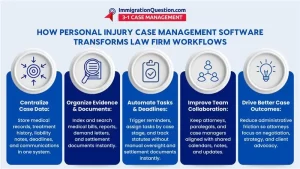
Personal injury case management software replaces disjointed spreadsheets, email threads, and memory-based task tracking with a unified system that puts every detail of a case at your fingertips. This includes medical records, liability notes, treatment histories, deadlines, settlement status, and communications.
Because everything is centralized, you don’t waste hours searching through shared drives or inbox threads to find what you need. Real-time dashboards give you an instant picture of where each personal injury case stands, so you know which matters are aging, which need action, and which are ready for negotiation.
When you layer in automation for workflows and task assignments, the difference becomes operationally transformative. You no longer assign reminders manually or hope someone remembers a follow-up.
Case management software for personal injury automatically triggers reminders, assigns tasks based on case stage, and tracks progress without constant oversight.
Reductions in Administrative Work Accelerate Legal Strategy
One of the biggest drains on attorney time is administration: drafting routine letters, tracking dates, organizing records, all while trying to keep your legal strategy clear and responsive. Personal injury case management software cuts through this drain by automating repetitive work that would otherwise take hours.
Instead of drafting the same letters from scratch, you use templates linked directly to client data and case details. Instead of manually tracking statute deadlines, court dates, and medical appointments, your system issues alerts in advance, reducing the chances for human oversight. This allows you to focus your professional expertise where it matters most.
Automation isn’t about replacing attorney judgment. It’s about removing redundant work so that your strategic thinking is not interrupted by clerical tasks.
Improved Collaboration Across Teams and Cases
Personal injury cases are team efforts. Paralegals, case managers, medical record specialists, and attorneys all play a role in compiling evidence, preparing letters, and moving cases forward.
When everyone is using the same legal management tools under a single system, communication becomes clearer and less error-prone.
A shared platform means everyone sees the same case status, calendar entries, and document versions. Collaboration features keep conversations organized and tied directly to case records instead of scattered across apps or email threads.
When personal injury law office software ensures that case notes, deadlines, and documents are accessible in real time, team members spend less time reconciling updates and more time advancing the case.
Why Specialized Personal Injury Tools Matter
Generic software might track deadlines or store documents, but personal injury cases have unique demands: medical records, lien documentation, treatment tracking, settlement negotiations, and client updates.
Personal injury law case management tools handle these workflows specifically, rather than forcing you to adapt generic tools to your practice needs.
For example, medical chronology automation and lien tracking are central features in purpose-built systems, helping you monitor treatment progress and reimbursement timelines without managing separate spreadsheets.
Real-time dashboards show case values, milestones, and client communication, giving you insight that general tools would struggle to match.
These specialized features are why many efficient firms choose dedicated personal injury systems over generic project management or general practice tools.
Centralized Document Management Reduces Risk
Documents are the backbone of every personal injury case: medical records, bills, demand letters, settlement agreements, releases, and expert reports.
When these exist in scattered locations, on shared drives, email attachments, or individual desktops, risk increases. Misplaced files, outdated versions, and lost attachments create avoidable headaches.
Personal injury case management software places all documents in one indexed, searchable repository. You can organize files by type, link them to case stages, and quickly retrieve the right records when needed.
This not only saves time but also reinforces compliance and evidentiary reliability.
Cloud access also means your files are available securely from any device. Whether you’re in court, at a client meeting, or working remotely, you have the documents you need without special VPN configurations or email requests.
AI Roles and Emerging Trends in Personal Injury Software
Investors are increasingly supporting AI tools designed for plaintiff attorneys, highlighting broader interest in legal technology innovations.
Some AI systems automate document generation, medical chronology organization, and case drafting workflows, amplifying what case management software already provides rather than replacing attorney judgment.
This trend reinforces a key point: technology is not a threat to attorney authority. It is a tool that helps you use your expertise more efficiently and with fewer avoidable delays.
Integrated Systems Drive Clearer, Faster Case Workflows
Personal injury case management software transforms law firm workflows by putting strategic control back into your hands.
It centralizes data, automates repetitive tasks, improves collaboration, and strengthens document and deadline management. Used wisely, it makes your operations more efficient and supports the legal judgment that clients hire you for.
In 2026, the firms that succeed will be those that link case drafting, document management, deadlines, and communication into a cohesive workflow system. Tools like modern legal management tools help attorneys handle increasing caseloads without sacrificing service quality.
That is why systems such as ImmigrationQuestion.com 3-1 case management aim to unify documents, tasks, and case progression into one environment. Embedded intelligence and connected workflows let you focus on legal outcomes rather than administrative burden.

Frequently Asked Questions
1.What is personal injury case management software?
It’s a dedicated platform that centralizes case data, documents, deadlines, and communications, specifically optimized for personal injury law workflows.
2. How does personal injury case management software improve law firm efficiency?
By automating administrative tasks, tracking deadlines automatically, and organizing medical, legal, and communication data in one place, reducing manual work and errors.
3. What features should an injury law case management system include?
Look for deadline and statute tracking, document automation, medical and lien tracking, secure client portals, task automation, and real-time dashboards.
4. Can case management software improve client communication?
Yes, secure client portals and integrated messaging help keep clients updated, reducing repetitive email and phone work.
5. Is personal injury law office software worth the investment?
For most firms, time savings, reduced risk, and improved workflows translate into better case outcomes and higher operational capacity, making it a valuable investment.
6. How do I choose the right legal management tools for my firm?
Evaluate software based on your firm size, caseload volume, automation needs, integrations (calendars, accounting, e-signature), and support for personal injury-specific workflows.