


The legal industry is evolving alongside technology, and for young lawyers, staying informed about these changes is becoming increasingly important. From practice management software to legal automation tools, modern systems are shaping how legal work is organized, tracked, and managed.
Understanding these trends does not require a technical background. Instead, it involves recognizing how legal management solutions are being used to improve efficiency, streamline workflows, and support better coordination within teams.
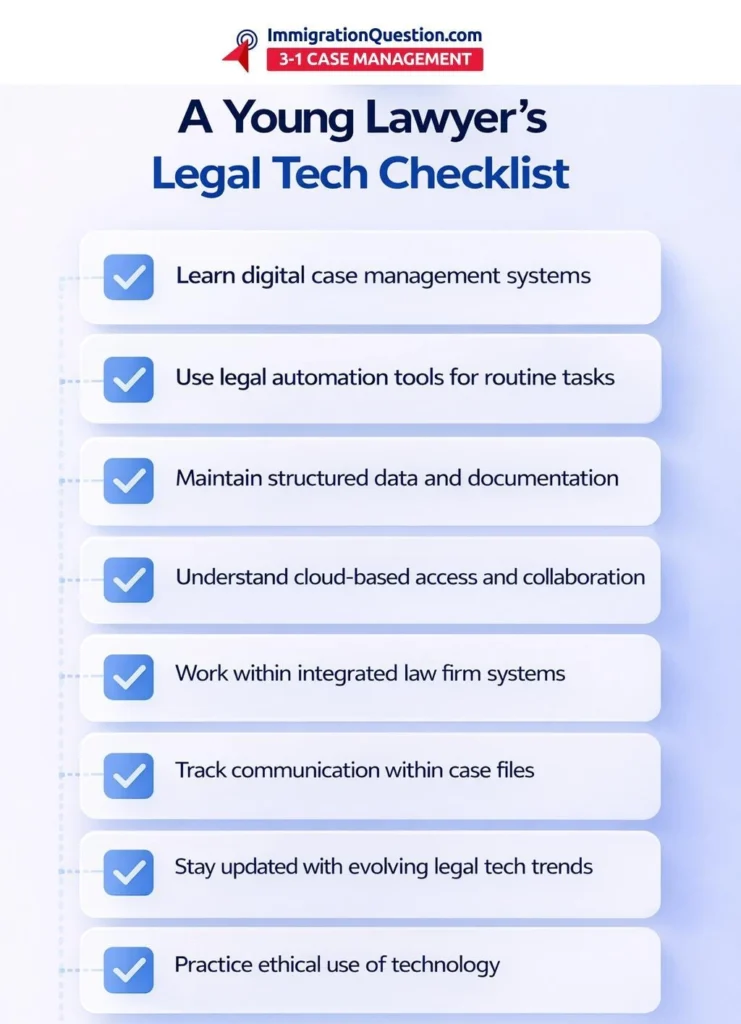
The Shift Toward Digital Case Management
One of the most noticeable changes in recent years is the transition from manual processes to digital systems. Many firms are moving toward law practice software that centralizes case information.
This shift helps:
- Keep case records organized in one place
- Reduce reliance on physical documentation
- Improve accessibility across teams
- Maintain consistent updates throughout the case lifecycle
For young lawyers, becoming familiar with digital case environments is a practical step toward adapting to modern legal workflows.
Growing Role of Legal Automation
Automation is playing a larger role in routine legal tasks. While it does not replace professional judgment, it supports consistency in repetitive processes.
Common applications of legal automation tools include:
- Document generation based on templates
- Deadline tracking and reminders
- Workflow-based case updates
- Basic intake data organization
Learning how to work alongside automation can help young lawyers focus more on analysis and less on repetitive administrative work.
Importance of Data Organization and Accessibility
Modern legal management solutions place strong emphasis on structured data. Organized information allows teams to access case details quickly and maintain clarity across departments.
Young lawyers should pay attention to:
- Consistent file naming practices
- Proper categorization of case documents
- Accurate and timely data entry
- Maintaining updated case statuses
These habits improve collaboration and reduce confusion when working within shared systems.
Cloud-Based Systems and Remote Access
Cloud-based practice management software is becoming widely used, allowing teams to access case information from different locations.
This trend supports:
- Remote and hybrid work environments
- Real-time collaboration
- Secure access to case files
- Faster communication across teams
Understanding how cloud systems function can help young lawyers stay adaptable in different working environments.
Integration Across Departments
Modern law firm software is designed to connect different departments, from intake to case management and administration.
Key aspects of integration include:
- Shared case dashboards
- Linked communication records
- Unified document storage
- Coordinated task management
For young lawyers, this means working within interconnected systems rather than isolated processes.
Focus on Communication Tracking
Clear communication is essential in legal work. Many legal management solutions now include built-in communication tracking features.
These may include:
- Case-linked messages
- Email tracking within the system
- Shared notes and updates
- Activity logs for transparency
Being comfortable with these features helps maintain clarity and continuity in case-related discussions.
Continuous Learning and Adaptability
Legal technology continues to evolve, and new features are introduced regularly. Young lawyers who remain open to learning new systems and workflows are better positioned to adapt.
Practical steps include:
- Participating in internal training sessions
- Exploring new features within existing systems
- Observing how different departments use the same platform
- Staying informed about general tech trends in the legal field
Adaptability plays a key role in working effectively with law practice software and other digital systems.
Ethical Awareness in Technology Use
While technology supports efficiency, it is important to use it responsibly. Young lawyers should remain mindful of:
- Data privacy considerations
- Accuracy in information handling
- Responsible use of automated processes
- Maintaining professional standards in digital communication
Awareness of these aspects helps maintain trust and accountability in legal workflows.
Build Confidence with Legal Technology
As technology becomes a regular part of legal operations, familiarity with these systems can support smoother day-to-day work. Understanding how legal automation tools function together can help young lawyers navigate modern legal environments with greater clarity.
If you are exploring ways to stay organized and aligned with evolving workflows, ImmigrationQuestion.com 3-in-1 Case Management offer a structured environment that brings case tracking, communication, and workflow coordination into one place.

FAQs
- What is legal tech in simple terms?
Legal tech refers to digital systems like law practice software and legal automation tools that support the organization and management of legal work.
- Do young lawyers need technical expertise to use legal tech?
No, most systems are designed to be user-friendly and focus on improving workflow rather than requiring advanced technical knowledge.
- How does practice management software help lawyers?
It centralizes case information, making it easier to track progress, manage documents, and coordinate tasks.
- What are legal automation tools used for?
They are used for repetitive tasks such as document generation, reminders, and workflow updates.
- Is learning law firm software important early in a career?
Yes, early familiarity helps young lawyers adapt to modern workflows and collaborate effectively within teams.